Downtown Los Angeles

LA
MAKERS

A full-package cut-and-sew manufacturing facility built to solve a problem no one else in the city could touch: speed, quality, and scale without sacrificing integrity.

Founded and directed by Courtney Ogilvie, LA Makers supported contemporary and luxury brands that needed precise, domestic production with zero margin for error.

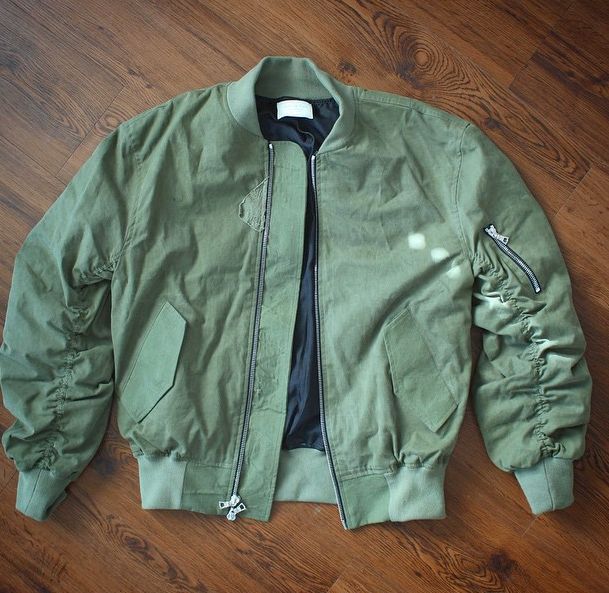
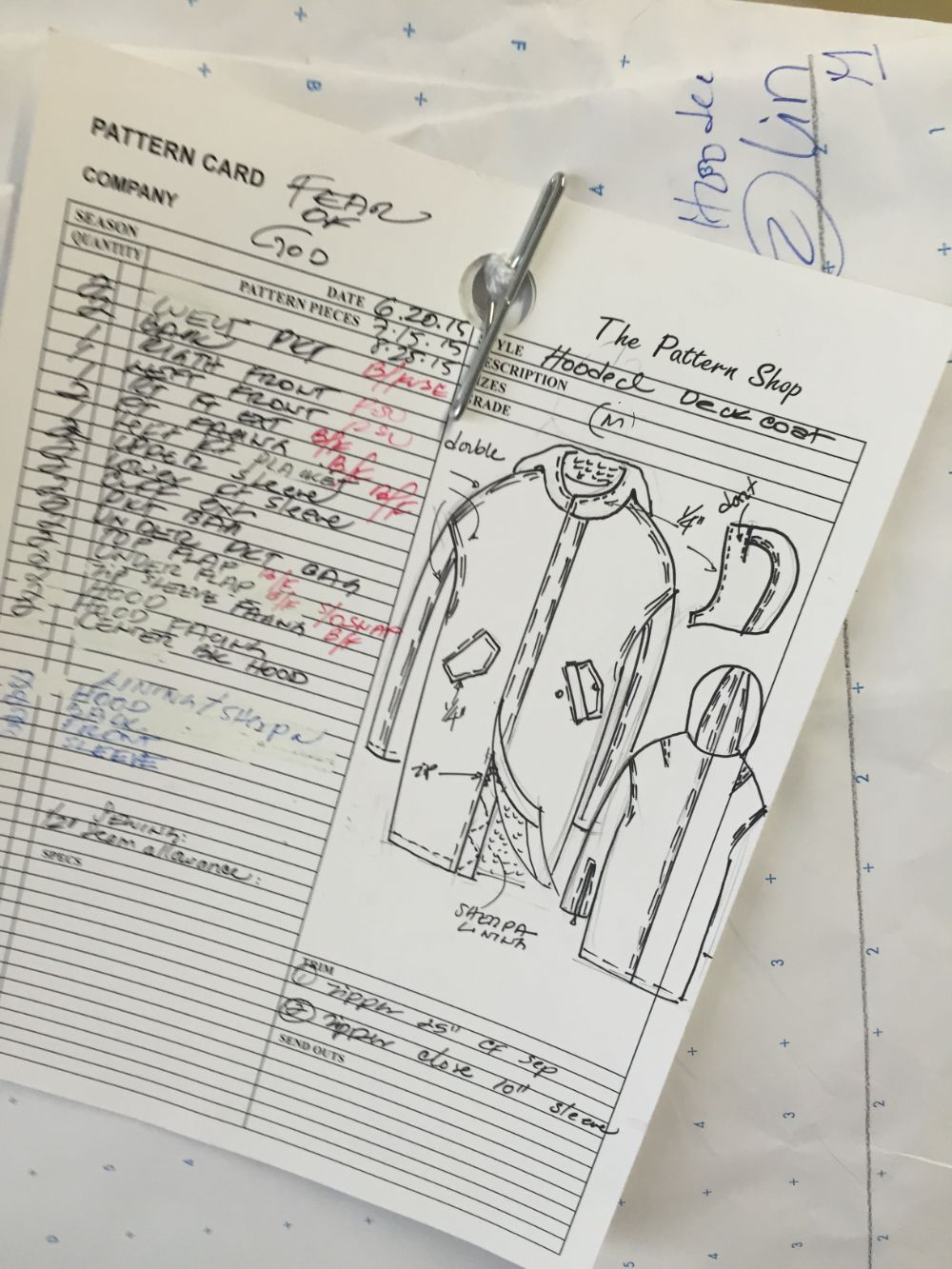
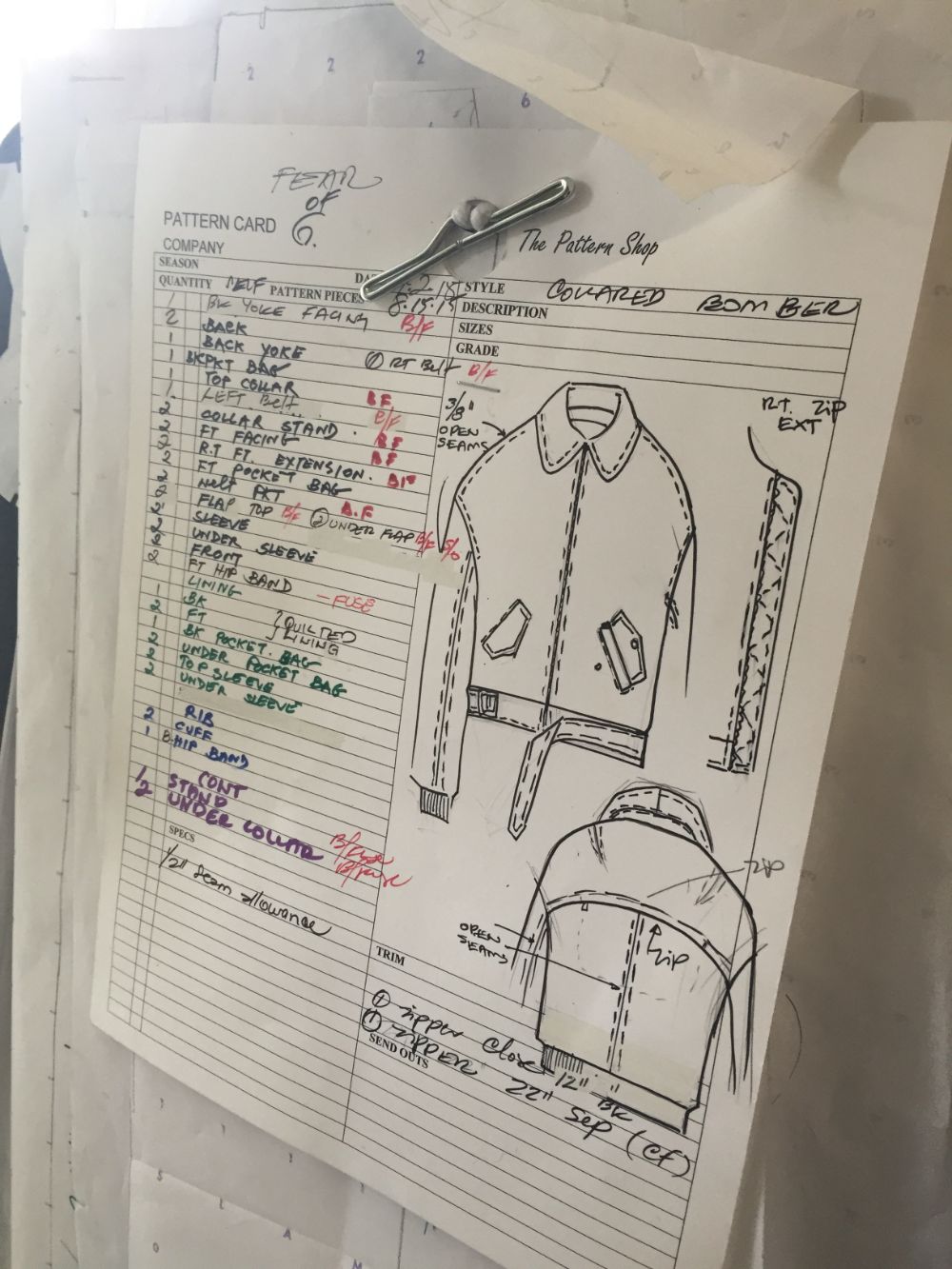
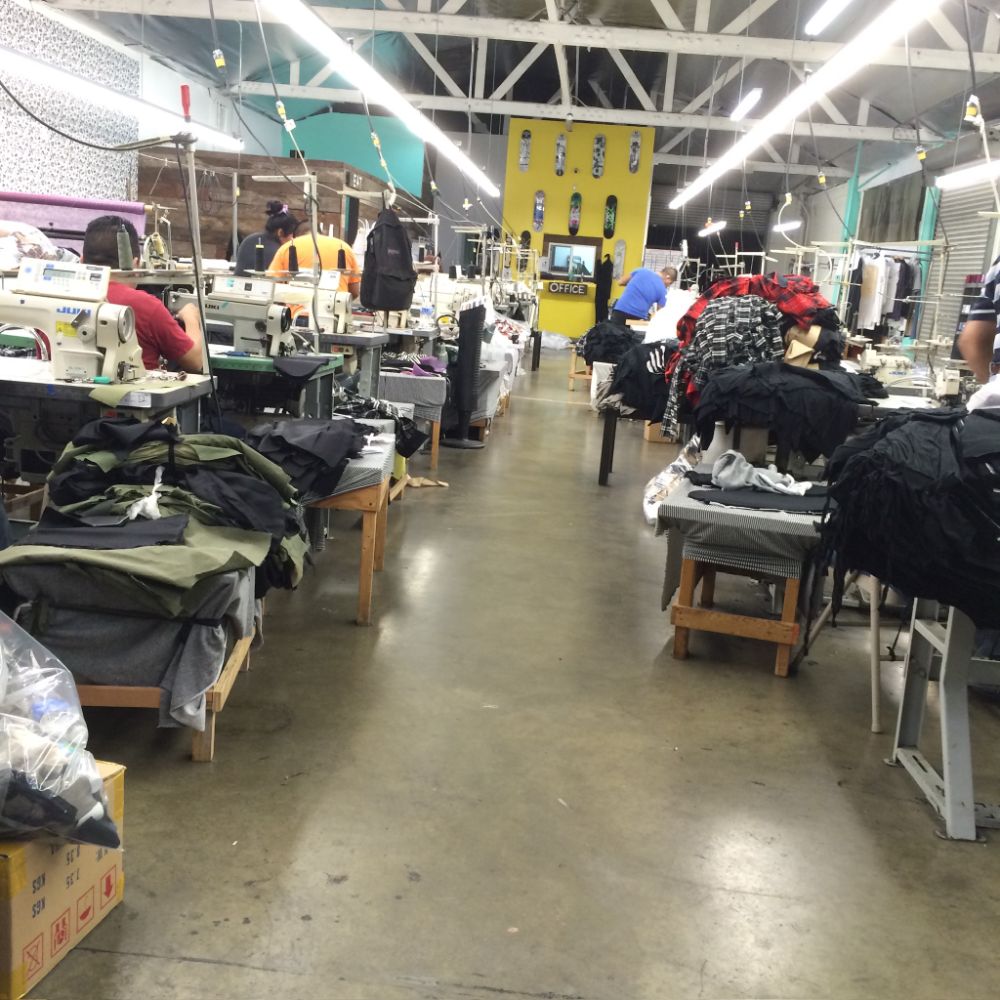
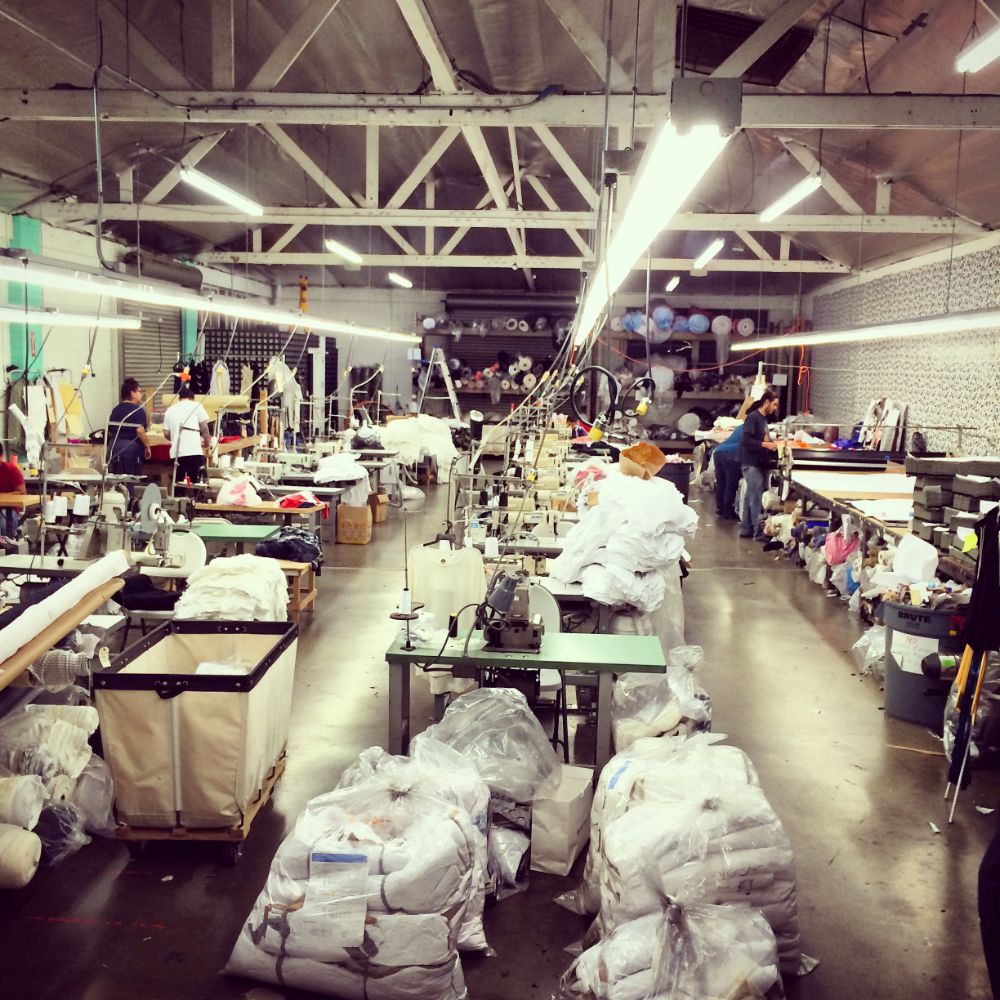
What began as overflow support for Fit & Supply evolved into a 60-plus-person operation where cutters, sewers, QC specialists, and finishing teams worked under one roof. Brands including Fear of God, RTH, Diamond Supply, Barneys Private Label, Yeezus, and Wil Fry relied on LA Makers to bring their collections to life.

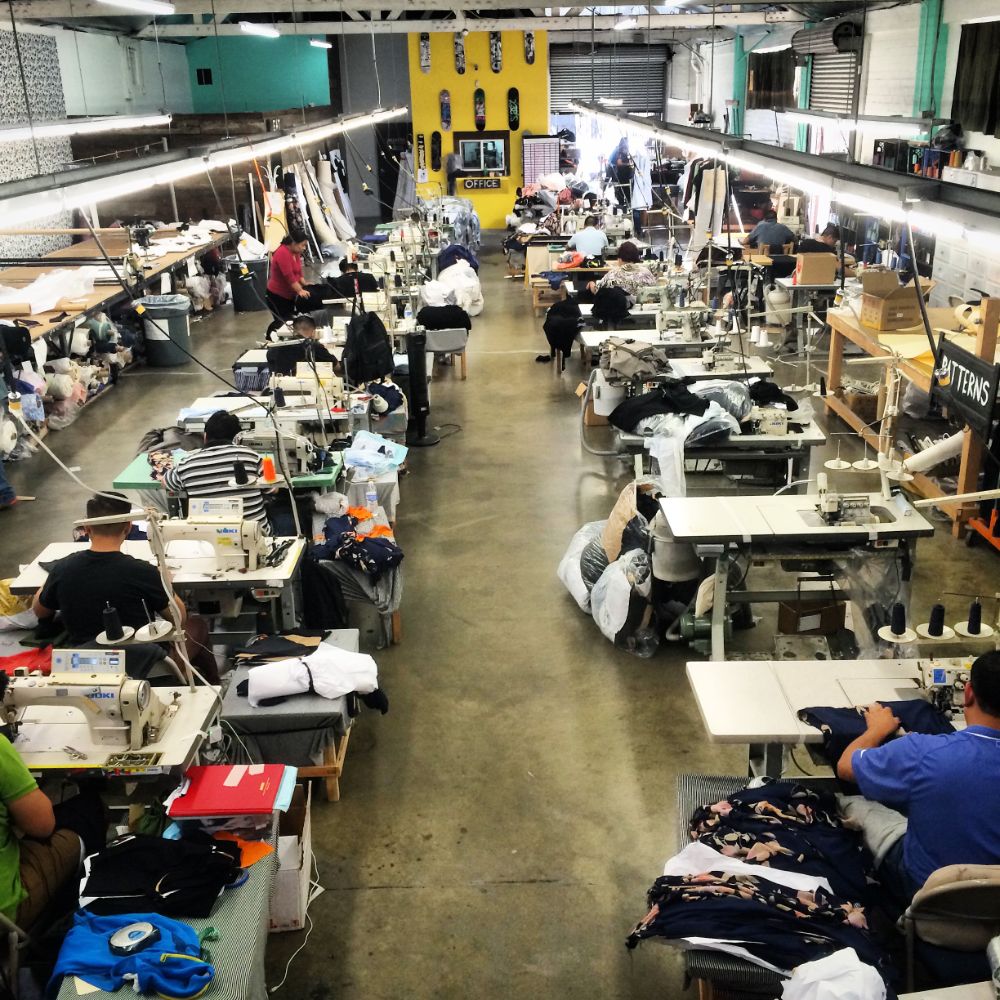
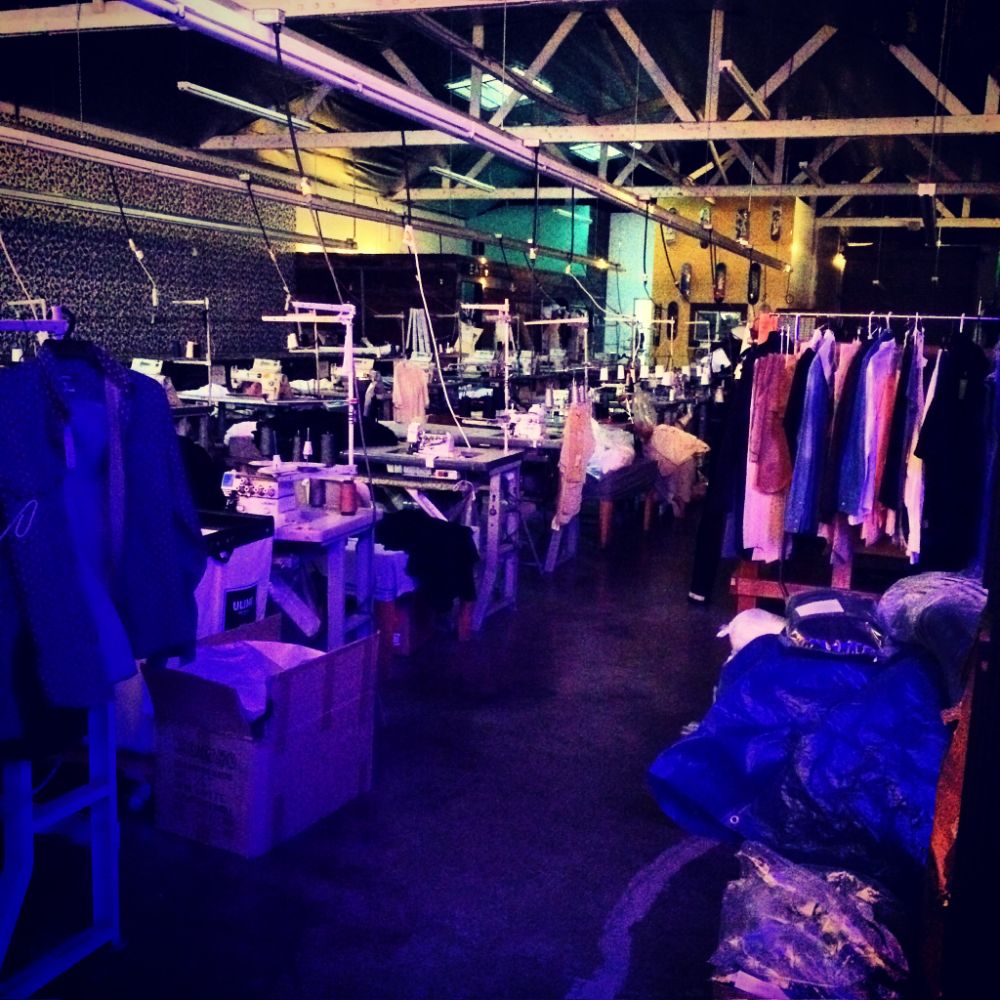
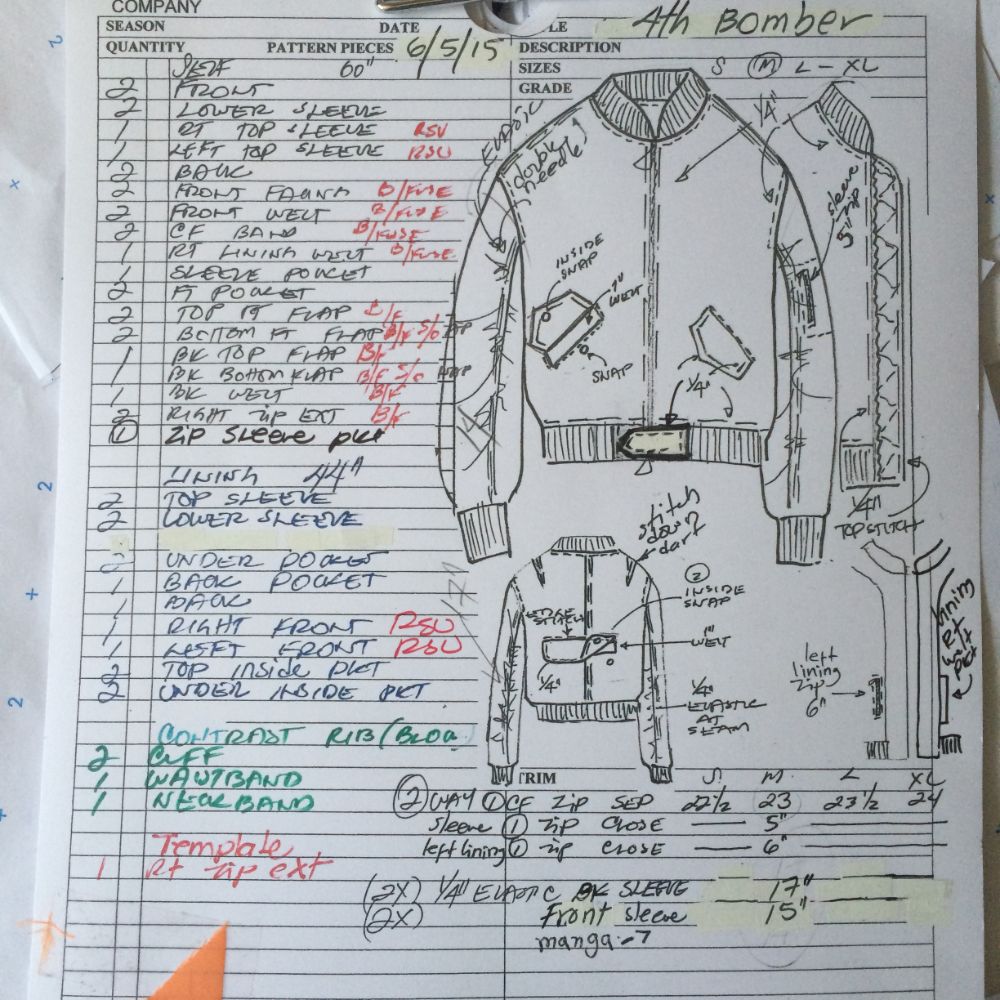
Factory operations
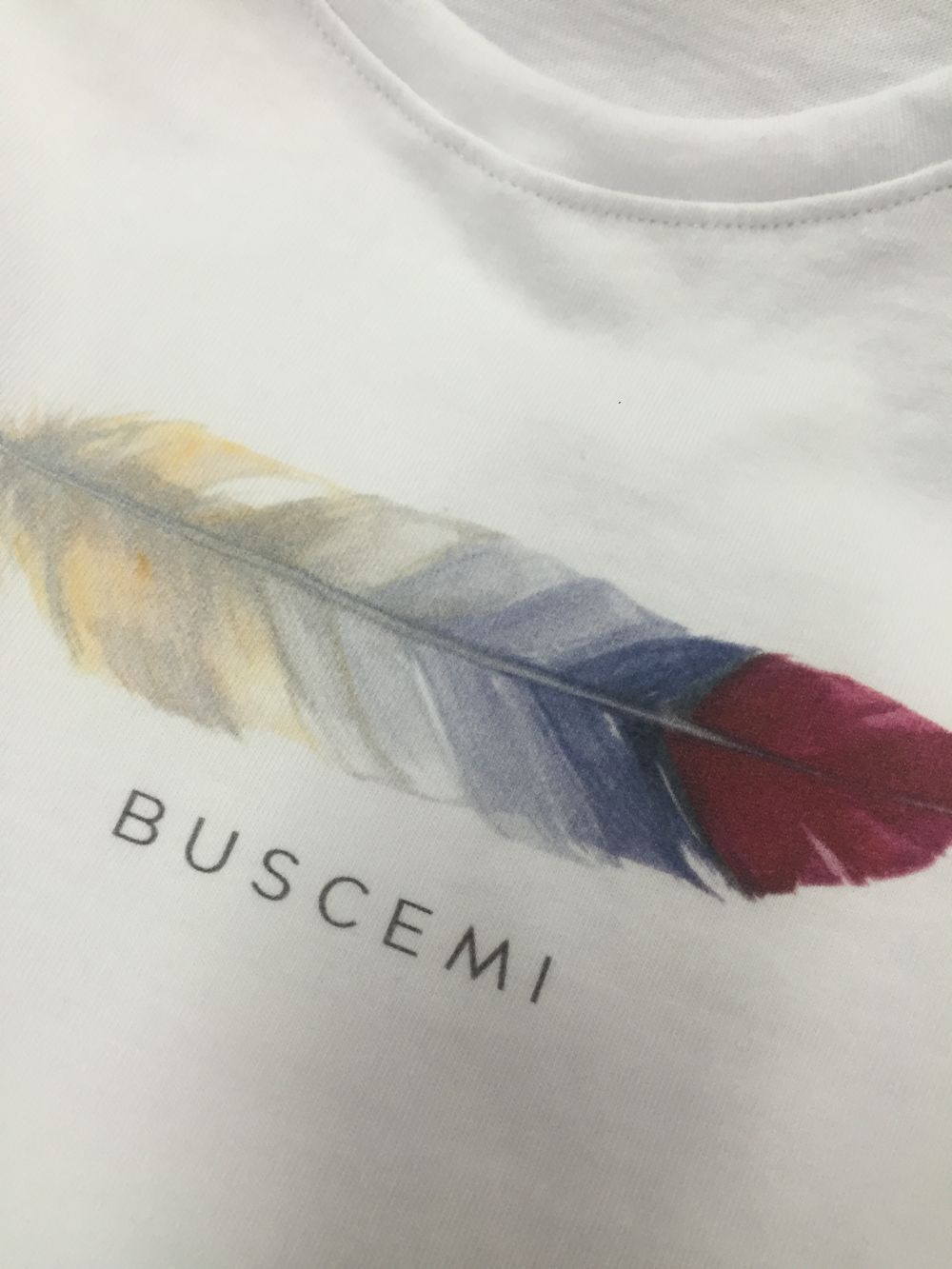
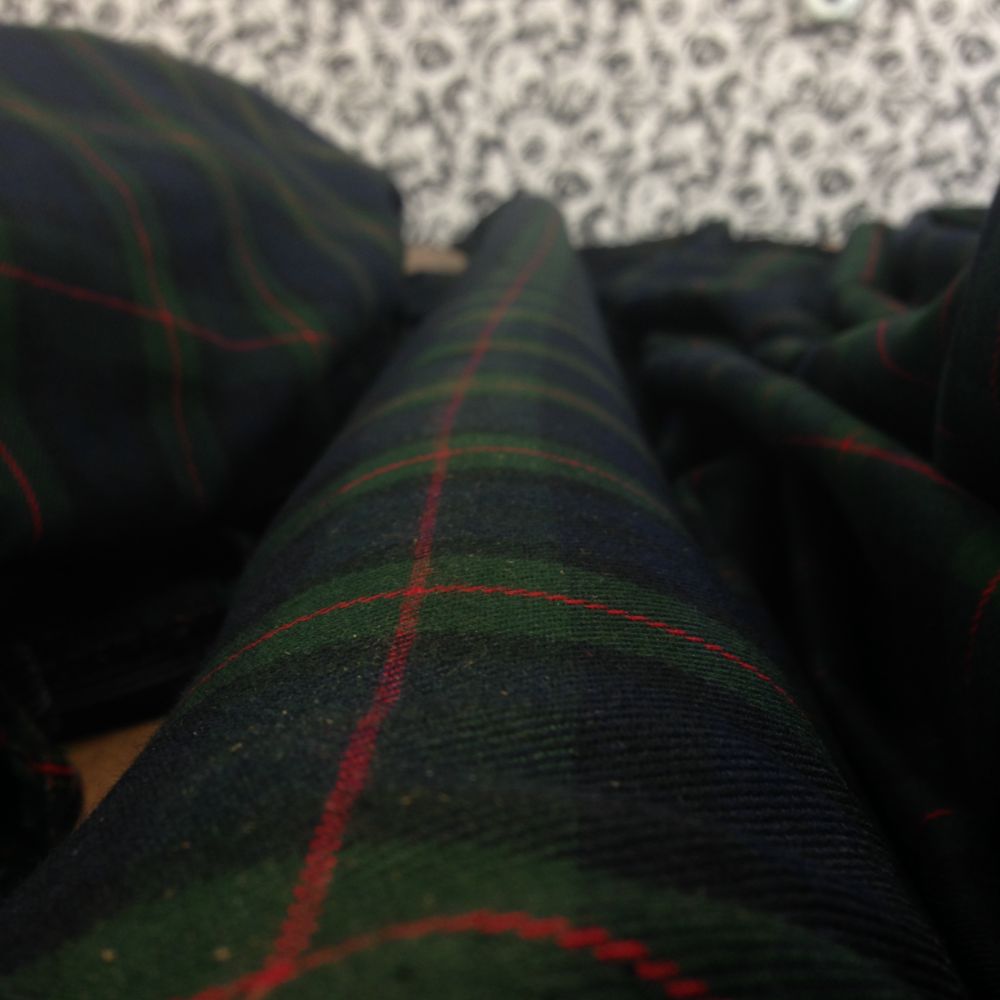
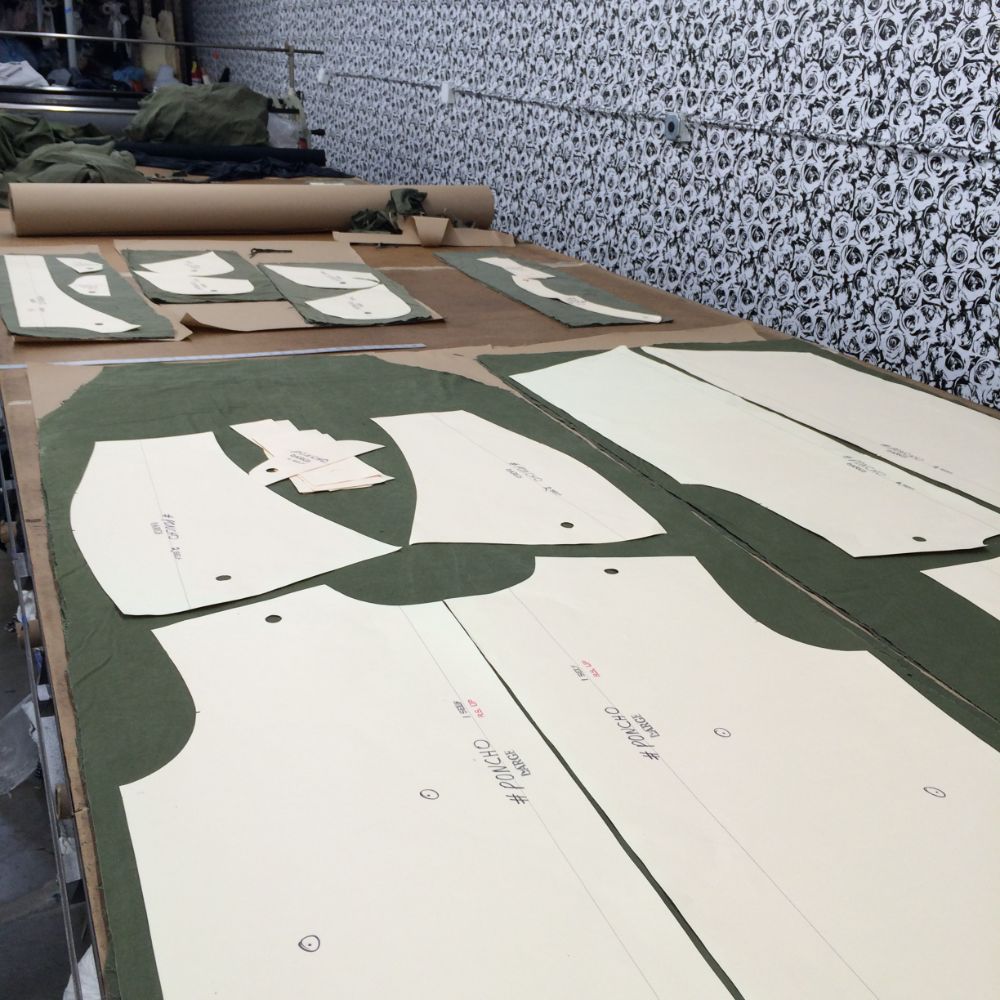
Fabric cutting
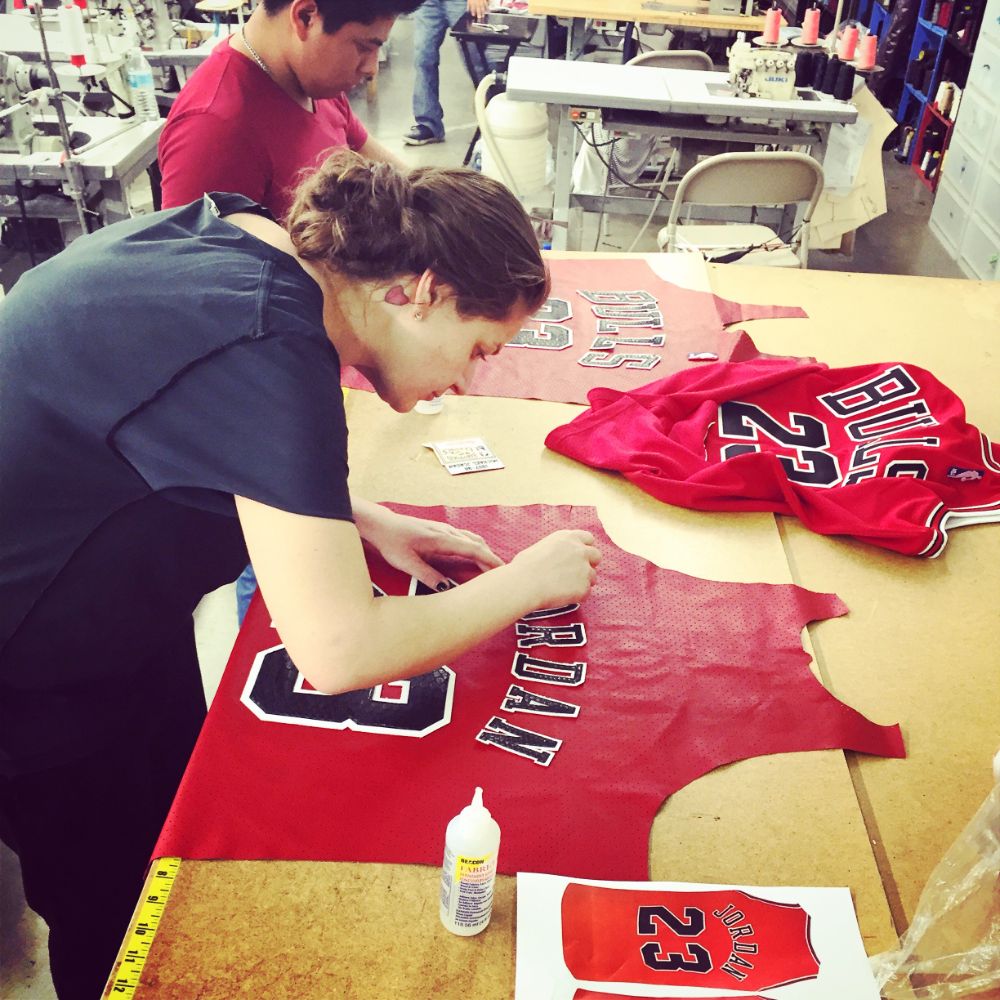
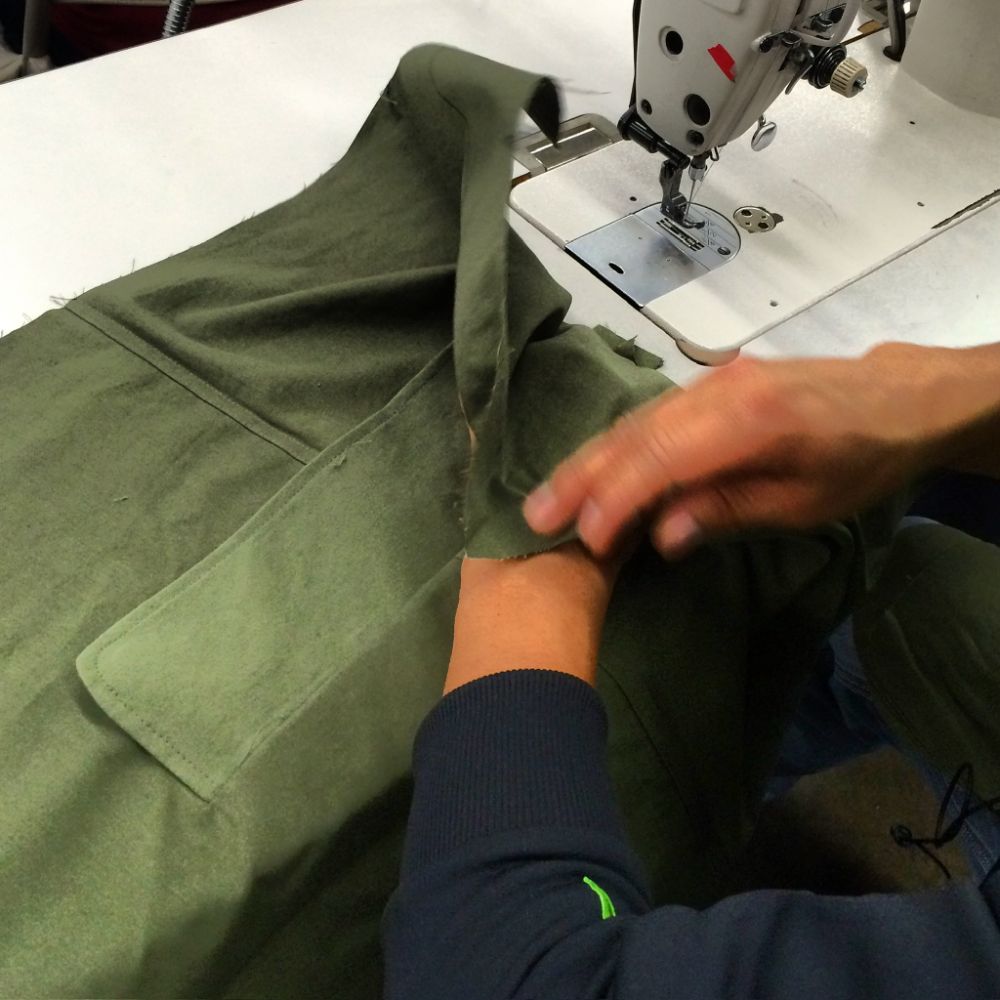
Team at work
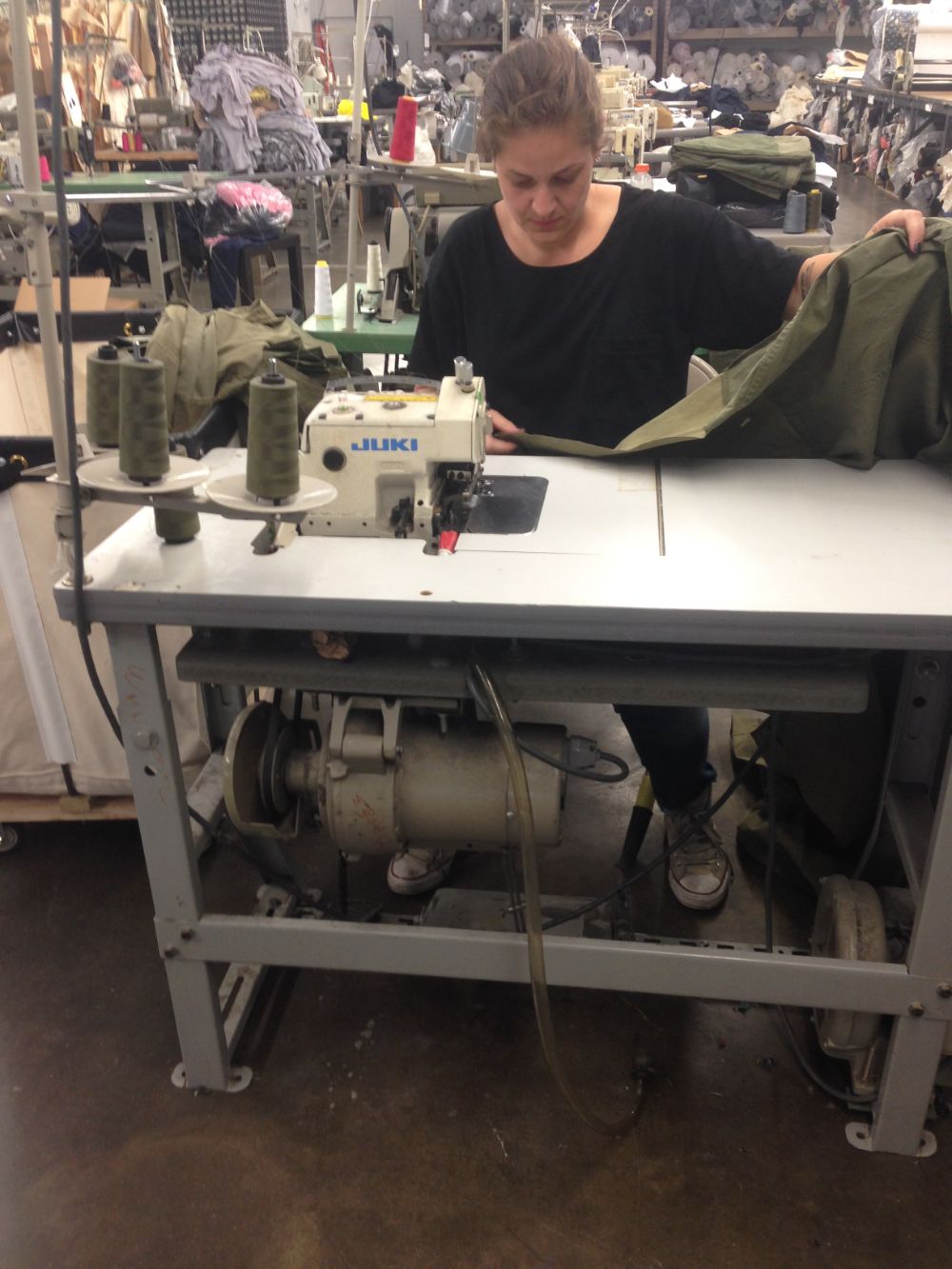
Production floor

The Story

Where Vision Meets the Work

LA Makers lived in the industrial corridors of South Downtown Los Angeles, intentionally off the map. Hidden behind unmarked walls were the season secrets of some of the most influential contemporary and streetwear labels of the era.

Inside, Courtney was everywhere at once — changing rafters' lightbulbs, moving 50-pound rolls of fabric, running across the city to make last-minute dye house deadlines, and doing the invisible labor that transforms a garment from an idea into something real.

"Somewhere, though you can’t know where, in the manufacturing warehouse land of south Downtown Los Angeles, the most overlooked woman in high-end Contemporary & Street Fashion gets dirty so you can look fresh." - Suspend Magazine

Production was not glamorous, and Courtney never pretended it was. She understood that domestic manufacturing meant logistics layered on logistics: sourcing the right fabric, asking the right technical questions, coordinating trucks for pickup, monitoring wash house treatments, supervising cutting, babysitting sewing lines, overseeing dye processes, trimming, QC, finishing, and doing it again 12 or 13 times a day.
A Factory Built on Precision and Systems

LA Makers was where Courtney shifted from being a problem solver to becoming a systems architect. Running a factory required her to translate creative intention into a chain of decisions that protected the product at every stage.

She learned how to engineer workflow, build capacity models, scale teams, and maintain excellence under pressure.

This was not just production.
This was design expressed through operations.

Factory systems

Courtney's Role

Founder and Director of Operations

Managed a vertically integrated 60+ person team
Built the factory's workflow architecture and productivity protocols
Oversaw cutting, sewing, QC, finishing, and fulfillment
Directed all wash house, dye house, and finishing processes
Scheduled production output and routed fabric across facilities
Maintained client communication and vendor relationships
Trained teams and cultivated cross-department systems
Ensured high-volume execution without compromising detail or quality

LA Makers required her to carry the weight of the entire pipeline — the technical, the logistical, the human, and the creative.

Skills Refined at LA Makers

Operations

Operations leadership and high-volume production management

Workflow engineering and capacity planning

Large-team management and communication systems

Execution

End-to-end execution across multiple product categories

Quality control oversight and operational consistency

Turning creative ambition into feasible, repeatable processes

Leadership

Vendor and client management

Protecting the idea through every operational stage

Solving complex technical and interpersonal challenges at scale
Factory floor

"If I wash my hands in the middle of the day and the water isn't black, I'm not working hard enough."

She believed that the people who truly make the garment — cutters, sewers, production teams — deserved the same respect as the names on the runway. Her factory operated on that principle. Every piece that left LA Makers carried the hands, discipline, and experience of a team she built, trained, and protected.

Where other factories delivered output, LA Makers delivered identity.

It was the place where Courtney proved that engineering is creative, that systems tell stories, and that production can be an art form when led by someone who understands every inch of the process.

Legacy of LA Makers

LA Makers shaped an entire era of Los Angeles fashion manufacturing. It proved that domestic production could be fast, exacting, and narrative-driven. It cemented Courtney as one of the rare creative leaders who can move seamlessly between vision and execution, between artistry and infrastructure.

The factory may no longer operate, but its impact lives in the brands it helped define and in the systems Courtney carried forward into every chapter of her career.